
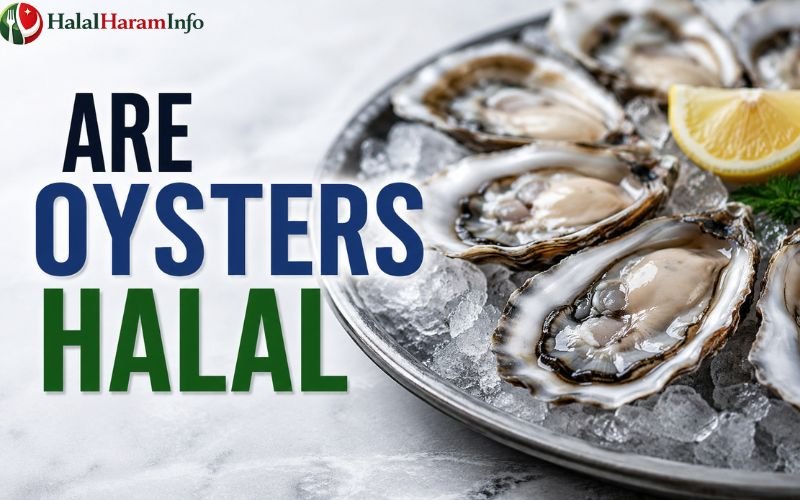
Oysters are a popular seafood delicacy enjoyed around the world. They are commonly served raw, grilled, fried, or cooked in soups and seafood dishes. For Muslims, an important question often comes up: are oysters halal?
The short answer is that most Islamic scholars consider oysters halal, especially within schools of thought that allow all seafood. However, there are some differences of opinion among scholars and Islamic schools regarding shellfish.
This detailed guide explains the halal status of oysters, scholarly opinions, ingredients to watch for, and how Muslims can make informed choices when eating oysters.
What Are Oysters?
Oyster are shellfish that live in saltwater or brackish water environments. They belong to the mollusk family and are known for their hard shells and soft edible interior.
Oysters are commonly eaten:
- Raw on the half shell
- Grilled or baked
- Fried
- Steamed
- In seafood soups and stews
They are rich in nutrients such as protein, zinc, iron, omega-3 fatty acids, and vitamin B12.
Are Oysters Halal in Islam?
Most Islamic scholars consider oysters halal because they come from the sea. The Quran generally permits seafood, and many scholars interpret this permission broadly.
Quranic Evidence
Allah says in the Quran:
“Lawful to you is what you catch from the sea and use for food…”
— Surah Al-Ma’idah 5:96
This verse is often used as evidence that seafood is permissible for Muslims.
Scholarly Opinions on Oysters
There are differences among Islamic schools of thought regarding shellfish like oysters.
Majority Opinion
The majority of scholars from the:
- Shafi’i school
- Maliki school
- Hanbali school
consider all seafood halal, including oysters, shrimp, crab, lobster, mussels, and clams.
According to this view, oysters are fully permissible to eat.
Hanafi Opinion
The Hanafi school has a stricter interpretation regarding seafood. Many Hanafi scholars classify only fish as fully halal and regard shellfish differently.
Opinions within the Hanafi school include:
| Seafood Item | Common Hanafi View |
| Fish | Halal |
| Shrimp | Usually halal |
| Oysters | Often considered makruh or disputed |
| Crab | Disputed |
| Lobster | Disputed |
Some Hanafi scholars may allow oysters, while others discourage eating them.
Related Post: Is Kosher Halal or Haram?
Quick Answer Table
| Question | Answer |
| Are oysters halal according to most scholars? | Yes |
| Are oysters considered seafood? | Yes |
| Are raw oysters halal? | Usually yes |
| Are fried oysters halal? | Depends on ingredients |
| Are oysters halal in the Hanafi school? | Disputed |
| Can oysters contain haram ingredients? | Sometimes |
Why Some Scholars Question Oysters
The differing opinions mainly come from how scholars define permissible seafood.
Some scholars argue:
- Oysters are shellfish rather than fish
- Certain sea creatures may resemble land animals
- Some shellfish are considered less desirable
However, many modern scholars still permit oysters because they naturally live in water and are considered seafood.
Are Raw Oysters Halal?
Raw oysters are generally considered halal if:
- The oysters themselves are halal
- They are not contaminated with haram substances
- They are served without alcohol-based sauces
However, Muslims should also consider food safety because raw oysters can sometimes contain bacteria or viruses if improperly handled.
Are Fried Oysters Halal?
Fried oysters can be halal, but it depends on the ingredients and cooking process.
Things to Check
| Ingredient or Factor | Halal Concern |
| Batter | May contain alcohol or non-halal additives |
| Frying oil | Cross-contamination with haram foods |
| Seasonings | Possible non-halal flavorings |
| Shared fryer | Pork contamination risk |
If the restaurant serves pork or non-halal seafood in the same fryer, some Muslims may choose to avoid it.
Are Oyster Sauce Products Halal?
Oyster sauce is commonly used in Asian cooking. The halal status depends on the ingredients used during manufacturing.
Possible Concerns
Some oyster sauces may contain:
- Alcohol
- Non-halal flavor enhancers
- Animal-derived additives
Many halal-certified oyster sauces are available in Muslim markets.
Related Post: Is Sugar Alcohol Halal or Haram?
Halal vs Haram Oyster Preparations
| Oyster Dish | Halal Status |
| Raw oysters | Usually halal |
| Grilled oysters | Usually halal |
| Fried oysters | Depends on ingredients |
| Oysters cooked with wine | Haram |
| Oyster pasta with bacon | Haram |
| Halal-certified oyster dishes | Halal |
Can Muslims Eat Oysters at Restaurants?
Yes, Muslims can eat oysters at restaurants if the preparation follows halal guidelines.
Questions to Ask
Before ordering oysters, ask:
- Are the oysters cooked with alcohol?
- Is the fryer shared with pork products?
- Are sauces halal-friendly?
- Is there cross-contamination?
These questions help Muslims avoid doubtful ingredients.
Are Oysters Kosher and Halal the Same?
No. Halal and kosher dietary laws are different.
Under Jewish dietary laws, oysters are generally not kosher because shellfish are prohibited. However, many Muslim scholars still consider oysters halal.
| Dietary System | Oysters Allowed? |
| Halal | Usually yes |
| Kosher | No |
Nutritional Benefits of Oysters
Oysters are highly nutritious and contain several important nutrients.
| Nutrient | Benefit |
| Protein | Supports muscles |
| Zinc | Supports immune system |
| Iron | Helps blood health |
| Omega-3 | Supports heart health |
| Vitamin B12 | Supports nerves and energy |
Because of their high zinc content, oysters are often considered one of the most nutrient-dense seafood options.
Types of Oysters Commonly Eaten
Several oyster varieties are consumed worldwide.
Popular Oyster Types
| Type | Common Region |
| Pacific oysters | Asia and North America |
| Atlantic oysters | Eastern United States |
| Kumamoto oysters | Japan |
| European flat oysters | Europe |
All these oyster varieties are generally treated similarly in halal discussions.
Are Oyster-Flavored Products Halal?
Some chips, soups, noodles, or seasonings may contain oyster extract or oyster flavoring.
The halal status depends on:
- Whether the oyster ingredient is permissible
- Presence of alcohol
- Additional additives
Always check ingredient labels and halal certification when possible.
Related Post: Is Shrimp Halal or Haram? A Guide for Muslims
Do Oysters Need Halal Certification?
Fresh oysters themselves usually do not require slaughter, unlike meat animals. However, halal certification can still be useful for processed oyster products because it confirms:
- No haram additives
- No alcohol
- Clean manufacturing processes
- Reduced contamination risk
Seafood and Islamic Dietary Principles
Islam encourages Muslims to consume lawful and pure food.
Seafood is generally viewed as a blessing from the sea, and many scholars allow a wide range of sea creatures based on Quranic evidence.
Still, Muslims should avoid:
- Harmful foods
- Intoxicants
- Clearly haram ingredients
- Doubtful mixtures
Different Opinions Among Modern Scholars
Modern scholars continue to discuss shellfish permissibility.
Scholars Who Allow Oysters
Many scholars argue:
- Oysters are naturally occurring sea animals
- Quranic verses broadly permit seafood
- There is no direct prohibition against oysters
Scholars Who Discourage Oysters
Some scholars, especially within stricter Hanafi interpretations, may consider oysters:
- Makruh (discouraged)
- Questionable
- Better avoided out of caution
Because scholarly opinions differ, Muslims often follow the guidance of their preferred scholars or local Islamic authorities.
Common Oyster Dishes and Their Halal Status
| Dish | Usually Halal? |
| Raw oysters with lemon | Yes |
| Oyster soup | Depends on broth |
| Oyster stuffing | Depends on ingredients |
| Oyster po’boy sandwich | Depends on preparation |
| Oyster sushi | Usually yes |
| Oysters cooked in wine sauce | No |
How to Identify Halal Oyster Products
When shopping for oyster products, look for:
- Halal certification logos
- Ingredient transparency
- Alcohol-free labels
- Trusted seafood brands
Avoid products with unclear ingredients or unknown flavoring agents.
Environmental and Ethical Considerations
Some Muslims also consider environmental ethics when consuming seafood.
Oyster farming can sometimes help marine ecosystems because oysters naturally filter water. However, sustainability practices vary by region and supplier.
Choosing responsibly sourced seafood may align with Islamic values of stewardship and avoiding waste.
Frequently Asked Questions
Are oysters halal in Sunni Islam?
Most Sunni scholars consider oysters halal, though some Hanafi scholars have differing opinions.
Are oysters halal in the Hanafi school?
The Hanafi view on oysters is disputed. Some scholars discourage shellfish, while others allow certain types.
Are oysters haram because they are shellfish?
Not according to the majority of Islamic scholars. Most scholars permit shellfish as seafood.
Can Muslims eat oysters raw?
Yes, raw oysters are generally considered halal if they are free from haram ingredients and contamination.
Is oyster sauce halal?
It depends on the ingredients. Some oyster sauces contain alcohol or questionable additives, while halal-certified versions are available.
Are oysters healthier than other seafood?
Oysters are very nutritious and rich in zinc, iron, and omega-3 fatty acids.
Are oysters kosher?
No. Oysters are generally not considered kosher in Jewish dietary law.
Can Muslims eat oysters at seafood restaurants?
Yes, if the food preparation avoids alcohol, pork contamination, and non-halal ingredients.
Final Thoughts
For most Muslims, oysters are considered halal because they are seafood and fall under the general Islamic permission for sea animals. The majority of scholars from the Shafi’i, Maliki, and Hanbali schools allow oysters without issue.
However, some Hanafi scholars hold stricter views regarding shellfish, making oysters a disputed food in that school of thought.
The halal status can also depend on how oysters are prepared. Oysters cooked with alcohol, pork products, or non-halal ingredients would not be permissible.
When in doubt, checking halal certification, ingredient labels, and preparation methods can help Muslims make informed dietary choices.
