
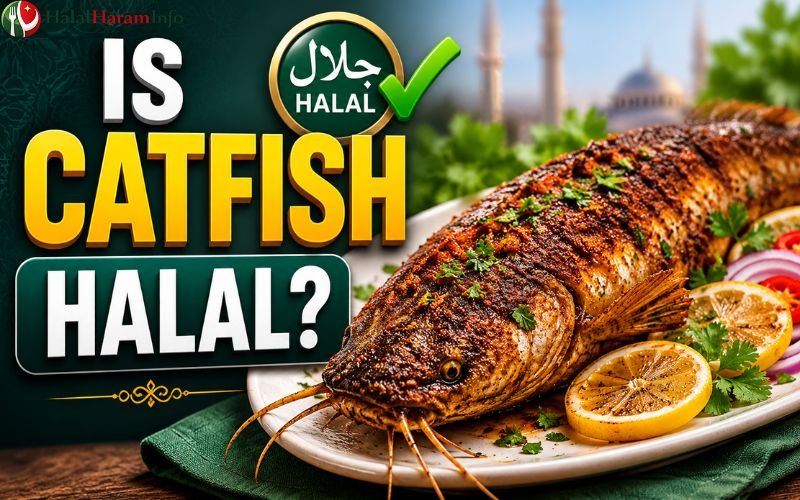
Catfish is a popular type of fish eaten in many parts of the world. It is commonly fried, grilled, baked, or added to soups and curries. Because seafood rules can differ among Islamic schools of thought, many Muslims often ask an important question: is catfish halal?
The short answer is yes, catfish is generally considered halal in Islam. Most Islamic scholars and schools agree that catfish is permissible to eat because it is a fish that lives in water. However, there are still a few details Muslims should understand, including differences between Islamic opinions, farming practices, and preparation methods.
This guide explains everything you need to know about catfish in Islam, including Quranic evidence, scholarly opinions, farming concerns, nutritional value, and frequently asked questions.
What Is Catfish?
Catfish are freshwater or saltwater fish known for their whisker-like barbels around the mouth. They are widely consumed in countries such as the United States, Pakistan, Bangladesh, Nigeria, and many Asian nations.
Catfish are popular because they:
- Have soft, mild-tasting meat
- Are affordable and widely available
- Can be cooked in many ways
- Contain good amounts of protein and nutrients
There are many species of catfish, but the halal ruling generally applies to all edible catfish varieties.
Is Catfish Halal in Islam?
Yes, catfish is considered halal by the majority of Islamic scholars.
Since catfish belongs to the category of fish and lives in water, most scholars allow its consumption based on Islamic teachings about seafood.
Quick Answer Table
| Question | Answer |
| Is catfish halal? | Yes |
| Is fried catfish halal? | Yes, if cooked with halal ingredients |
| Is farm-raised catfish halal? | Generally yes |
| Is catfish halal in all Islamic schools? | Mostly yes |
| Can Muslims eat catfish from restaurants? | Yes, if no haram contamination exists |
Quranic Evidence About Seafood
The Quran clearly permits seafood for Muslims. Allah says in the Quran:
“Lawful to you is what you catch from the sea and use for food.”
(Surah Al-Ma’idah 5:96)
This verse is one of the main reasons scholars consider fish and seafood halal.
Since catfish is a type of fish, it falls under this general permission according to most scholars.
Related Post: Are Marshmallows Halal or Haram?
Hadith About Seafood
There is also an authentic hadith where the Prophet Muhammad ﷺ said about the sea:
“Its water is pure and its dead animals are lawful.”
This hadith further supports the permissibility of seafood, including fish like catfish.
Opinions of Different Islamic Schools
Although Muslims generally agree that catfish is halal, there are slight differences among Islamic schools regarding seafood overall.
Hanafi School
The Hanafi school allows fish but is more restrictive regarding other seafood creatures.
Since catfish is clearly a fish, Hanafi scholars consider it halal.
Shafi’i School
The Shafi’i school permits nearly all seafood, including catfish.
Maliki School
The Maliki school also considers catfish halal and allows most sea creatures.
Hanbali School
The Hanbali school permits catfish and generally accepts seafood as halal.
Islamic Schools and Catfish Ruling
| Islamic School | Catfish Ruling |
| Hanafi | Halal |
| Shafi’i | Halal |
| Maliki | Halal |
| Hanbali | Halal |
Why Some Muslims Question Catfish
Some Muslims become uncertain about catfish because of its feeding habits. Catfish are bottom-feeding fish and may eat:
- Small aquatic animals
- Plants
- Insects
- Organic matter from the water floor
However, this does not automatically make catfish haram. In Islamic law, fish remain halal unless they are harmful, poisonous, or contaminated.
Many halal scholars compare catfish to other permissible fish that naturally feed from underwater environments.
Related Post: Is Lamb Halal or Haram? Guide for Muslim Consumers
Is Farm-Raised Catfish Halal?
Yes, farm-raised catfish is generally halal.
Modern fish farms breed catfish in controlled environments. They are commonly fed:
- Grain-based feed
- Soy products
- Fish meal
- Nutritional pellets
As long as the fish itself is halal and not harmful to consume, scholars usually permit farm-raised catfish.
Concerns About Fish Feed
Some Muslims ask whether fish become haram if they consume impure substances.
Most scholars state that seafood remains halal unless:
- The impurity clearly changes the fish’s smell, taste, or color
- The fish becomes harmful to human health
Commercial catfish farms usually follow food safety regulations, making the fish acceptable for consumption.
Wild Catfish vs Farmed Catfish
| Feature | Wild Catfish | Farmed Catfish |
| Habitat | Rivers and lakes | Fish farms |
| Diet | Natural aquatic diet | Controlled feed |
| Taste | Stronger flavor | Milder flavor |
| Availability | Seasonal in some areas | Widely available |
| Halal Status | Halal | Halal |
Is Fried Catfish Halal?
Fried catfish is halal if the ingredients and cooking process are halal.
The fish itself is permissible, but the final ruling depends on how it is prepared.
Fried Catfish Is Halal If:
- Cooked in halal oil
- Prepared separately from haram foods
- Not mixed with alcohol-based ingredients
- Cooked with halal seasonings
Fried Catfish May Become Haram If:
- Fried in oil contaminated with pork products
- Cooked alongside non-halal meats without separation
- Prepared using alcohol-based sauces
When eating at restaurants, Muslims may want to ask about cooking methods and shared fryers.
Restaurant Catfish and Halal Concerns
Many restaurants serve catfish, especially seafood and Southern-style restaurants. However, not every restaurant follows halal preparation standards.
Questions Muslims Can Ask
| Question | Why It Matters |
| Is the fish cooked separately? | Prevents contamination |
| Is pork cooked in the same oil? | Shared fryers may affect halal status |
| Are sauces alcohol-free? | Some sauces contain wine or alcohol |
| Is the seasoning halal? | Certain flavorings may not be permissible |
Related Post: Are Oysters Halal or Haram?
Is Catfish Healthy?
Catfish is not only halal but also nutritious. It contains important nutrients that support overall health.
Nutritional Benefits of Catfish
- High in protein
- Contains omega-3 fatty acids
- Rich in vitamin B12
- Provides selenium and phosphorus
- Lower in mercury than some larger fish
Catfish Nutrition Table
| Nutrient | Approximate Amount (100g) |
| Protein | 18g |
| Calories | 105 |
| Fat | 3g |
| Omega-3 | Moderate |
| Vitamin B12 | High |
| Selenium | Good source |
Is Catfish Halal for Hanafi Muslims?
Yes, Hanafi Muslims can eat catfish.
The Hanafi school allows fish while restricting certain non-fish seafood such as shellfish according to some interpretations. Since catfish is recognized as a true fish, it is considered halal.
This makes catfish acceptable for Muslims who follow Hanafi rulings.
Is Catfish Halal if It Has No Scales?
Some people question catfish because many species have very small or nearly invisible scales.
In Sunni Islam, fish without visible scales are generally still considered halal if they are classified as fish.
However, some Shia scholars apply stricter rules regarding scale-less fish. Certain Shia opinions may not permit catfish because of the lack of scales.
Sunni and Shia Views on Catfish
| Group | Catfish Ruling |
| Sunni Scholars | Halal |
| Some Shia Scholars | May consider it not permissible |
Muslims should follow the guidance of their trusted scholars according to their school of thought.
Related Post: Is Octopus Halal or Haram? Islamic Guide (2026)
Common Catfish Dishes Muslims Eat
Catfish is used in many halal-friendly recipes around the world.
Popular Catfish Meals
- Fried catfish
- Grilled catfish
- Catfish curry
- Spicy catfish stew
- Baked lemon catfish
- Catfish biryani
- Smoked catfish soup
Tips for Buying Halal Catfish
When shopping for catfish, Muslims can follow these simple tips.
Choose Trusted Sellers
Buy seafood from reliable markets with good hygiene and quality standards.
Check Ingredients in Frozen Products
Some frozen catfish products may contain additives or flavorings. Read labels carefully.
Watch for Cross-Contamination
Avoid products processed alongside pork or non-halal meats if possible.
Look for Halal Certification
Processed seafood meals with halal certification provide additional confidence.
Signs of Fresh Catfish
| Sign | What to Look For |
| Smell | Mild and clean |
| Flesh | Firm texture |
| Color | Fresh appearance |
| Eyes | Clear, not cloudy |
| Packaging | Properly sealed |
Environmental and Ethical Considerations
Islam encourages Muslims to consume lawful and clean food responsibly.
When buying catfish, many Muslims also consider:
- Sustainable fishing practices
- Clean farming conditions
- Animal welfare
- Food safety standards
Choosing responsibly sourced seafood supports healthier and more ethical consumption.
Related Post: Is Naya Halal or Haram?
Frequently Asked Questions
Is catfish halal in the Quran?
The Quran permits seafood generally, and scholars include catfish within that permission.
Can Muslims eat fried catfish?
Yes, fried catfish is halal if prepared with halal ingredients and clean cooking methods.
Is catfish halal for Hanafi Muslims?
Yes, Hanafi scholars consider catfish halal because it is a fish.
Why do some people think catfish is haram?
Some people question catfish because it is a bottom feeder or lacks visible scales. However, most Sunni scholars still classify it as halal.
Is farmed catfish halal?
Yes, farmed catfish is generally halal unless harmful contamination exists.
Is catfish healthier than red meat?
Catfish is usually lower in saturated fat and can be a healthier protein option when cooked properly.
Can Muslims eat catfish at restaurants?
Yes, but it is important to check for shared fryers, alcohol-based sauces, and cross-contamination with haram foods.
Is catfish halal in all Islamic schools?
Most Sunni schools consider it halal. Some Shia scholars may differ due to scale-related rulings.
Final Thoughts
Yes, catfish is generally halal for Muslims according to the majority of Islamic scholars. All four major Sunni schools accept catfish because it is classified as a fish and falls under the general permissibility of seafood in Islam.
However, Muslims should still pay attention to how catfish is prepared, especially in restaurants or processed foods. Shared fryers, alcohol-based ingredients, and contamination with haram substances can affect the halal status of a meal.
For most Muslims, properly prepared catfish is a halal, nutritious, and widely accepted seafood choice that can be enjoyed in many delicious dishes.
