For Muslims, following halal dietary rules is an important part of daily life. These rules define what foods are permissible and what must be avoided. One of the most commonly asked questions is: Is pork halal? The answer is straightforward in Islamic teachings, but many people still want to understand the reasoning, exceptions, and related issues such as pork by-products, gelatin, and cross-contamination.
Pork is widely used in many cuisines and food products around the world. It appears not only as meat but also in processed foods, flavorings, and additives. Because of this, Muslims must be aware of where pork may appear and how to avoid it. Understanding Islamic rulings helps ensure that food choices align with religious obligations.
This article explains whether pork is halal, why it is prohibited, what Islamic sources say, common foods containing pork, and how Muslims can avoid it. It also answers frequently asked questions to provide clarity.
What Does Halal Mean?
Halal is an Arabic term meaning “permissible.” In the context of food, halal refers to items that Muslims are allowed to consume according to Islamic law.
The opposite of halal is haram, which means forbidden. Foods considered haram must be avoided unless there is a genuine necessity.
Examples of halal foods:
- Fruits and vegetables
- Grains
- Seafood (according to most scholars)
- Halal-slaughtered meat
- Dairy products without non-halal additives
Examples of haram foods:
- Pork and pork products
- Alcohol
- Meat from animals not slaughtered according to Islamic guidelines
- Blood and blood products
Is Pork Halal?
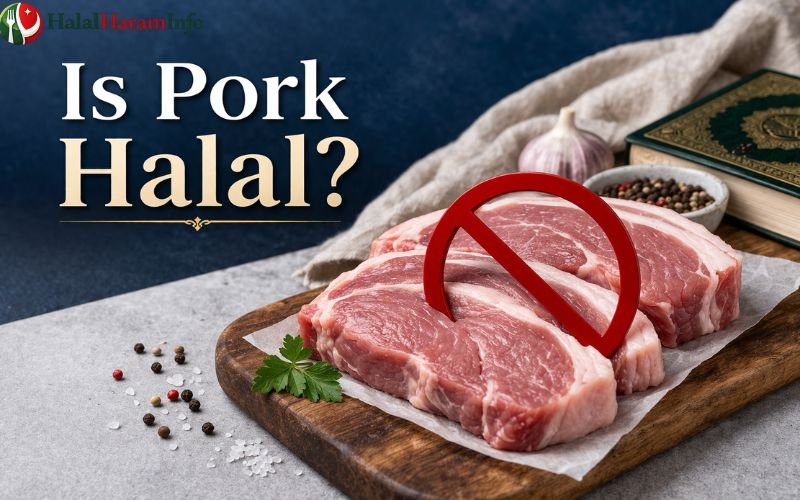
No, pork is haram in Islam. Muslims are strictly prohibited from consuming pork or any pork-derived products. This ruling is clearly stated in Islamic teachings and is universally agreed upon by scholars.
The prohibition applies to:
- Pork meat
- Bacon
- Ham
- Sausage made from pork
- Lard
- Pork gelatin
- Any product derived from pigs
There is no difference of opinion among major Islamic schools on this matter.
Why Is Pork Forbidden in Islam?
The prohibition of pork comes directly from Islamic scripture. Muslims follow these rulings as part of religious obedience. While some people discuss health or hygiene reasons, the primary basis is religious command.
Reasons commonly discussed:
- Explicit prohibition in Islamic texts
- Religious obedience to divine guidance
- Concerns about cleanliness in traditional teachings
- Distinction between halal and haram foods
Regardless of reasoning, Muslims avoid pork because it is clearly forbidden.
Related Post: Is Crab Halal or Haram?
Quranic References About Pork
The prohibition of pork is mentioned multiple times in Islamic scripture. These references make the ruling very clear.
| Reference | Meaning |
| Surah Al-Baqarah 2:173 | Pork is forbidden except in necessity |
| Surah Al-Ma’idah 5:3 | Swine flesh is prohibited |
| Surah Al-An’am 6:145 | Pork is impure |
| Surah An-Nahl 16:115 | Pork is forbidden |
These repeated mentions emphasize the importance of avoiding pork.
Are All Pork Products Haram?
Yes, all products derived from pigs are considered haram. This includes both obvious and hidden ingredients.
Common Pork Products
| Product | Halal Status |
| Bacon | Haram |
| Ham | Haram |
| Pork sausage | Haram |
| Lard | Haram |
| Pork gelatin | Haram |
| Pork broth | Haram |
| Pepperoni (pork-based) | Haram |
| Pork fat | Haram |
Even small amounts make the food impermissible.
Foods That May Contain Pork
Pork can appear in unexpected places. Muslims should check ingredient lists carefully.
| Food | May Contain Pork? |
| Pizza toppings | Yes |
| Gelatin desserts | Yes |
| Marshmallows | Often |
| Candy | Sometimes |
| Instant noodles flavoring | Sometimes |
| Baked beans | Sometimes |
| Soup stock | Sometimes |
| Refried beans | Sometimes |
Reading labels is essential.
Is Pork Gelatin Halal?
Pork gelatin is not halal. Since it comes from pigs, it remains forbidden. Gelatin is commonly found in:
- Gummies
- Marshmallows
- Yogurt
- Capsules
- Desserts
Muslims should choose halal-certified or plant-based alternatives.
Is Pork Fat (Lard) Halal?
Lard is rendered pig fat and is haram. It is sometimes used in:
- Pastries
- Pie crusts
- Fried foods
- Processed snacks
Even small amounts make the food non-halal.
Related Post: Is Shrimp Halal or Haram?
Is Pork Flavoring Halal?
Artificial pork flavoring may or may not contain actual pork. If it contains real pork derivatives, it is haram. If synthetic, scholars may differ, but most recommend avoiding it unless confirmed halal.
Is Pork Ever Allowed in Islam?
Pork may only be allowed in cases of extreme necessity. This means:
- No halal food available
- Risk to life or health
- Only enough consumed to survive
This exception is rare and not for convenience.
| Situation | Ruling |
| Hunger with no other food | Permissible in small amount |
| Medical emergency | Allowed if necessary |
| Preference or taste | Not allowed |
| Availability of halal food | Not allowed |
Is Cross-Contamination With Pork Haram?
Yes, food contaminated with pork becomes non-halal. For example:
- Cooking halal meat on the same grill without cleaning
- Using utensils that touched pork
- Frying in oil previously used for pork
Muslims should ensure separation.
Is Pork in Restaurants a Concern?
Many restaurants serve pork alongside other foods. Muslims should ask:
- Is pork cooked on the same grill?
- Are utensils shared?
- Is oil shared?
If cross-contamination is likely, it is safer to avoid.
Differences Between Pork and Other Meat in Islam
| Meat Type | Halal Status |
| Pork | Haram |
| Beef (halal slaughtered) | Halal |
| Chicken (halal slaughtered) | Halal |
| Lamb | Halal |
| Fish | Halal |
| Non-halal slaughtered meat | Haram |
Pork is always forbidden, unlike other meats which depend on slaughter method.
How to Avoid Pork
Here are practical tips:
- Check ingredient labels
- Look for halal certification
- Avoid unclear meat sources
- Ask restaurants
- Choose vegetarian options when unsure
- Learn common pork ingredient names
Other Names for Pork Ingredients
Pork may appear under different names:
- Lard
- Pork fat
- Bacon bits
- Ham extract
- Porcine gelatin
- Pork broth
- Animal shortening (sometimes)
Being aware helps avoid mistakes.
Is Wild Boar Halal?
Wild boar is also considered pork and is haram. The prohibition applies to all pigs, domesticated or wild.
Is Pork in Non-Food Products Haram?
Pork derivatives may appear in:
- Cosmetics
- Medicines
- Capsules
- Soap
If absorbed externally, scholars may differ, but ingestion is clearly forbidden.
Summary Table
| Item | Halal Status |
| Pork meat | Haram |
| Bacon | Haram |
| Ham | Haram |
| Pork gelatin | Haram |
| Lard | Haram |
| Pork flavor | Avoid unless halal |
| Wild boar | Haram |
| Cross-contaminated food | Haram |
Frequently Asked Questions (FAQs)
Is pork ever halal?
No, pork is always haram except in life-threatening necessity.
Can Muslims eat pork by accident?
If eaten unknowingly, there is no sin. One should avoid it in the future.
Is pork gelatin halal?
No, pork gelatin is haram.
Is bacon halal?
No, bacon is made from pork and is haram.
Is pork flavor halal?
Only if completely synthetic and certified halal; otherwise avoid.
Is wild boar halal?
No, it is considered pork and is haram.
Can Muslims cook halal food in pork pans?
Only after thorough cleaning according to Islamic guidelines.
Is pork allowed in medicine?
Only if necessary and no halal alternative exists.
Conclusion
Pork is clearly and strictly forbidden in Islam. Muslims should avoid pork meat and all pork-derived products, including gelatin, lard, and flavorings. The prohibition is clearly established in Islamic teachings and agreed upon by scholars. The only exception is extreme necessity, where survival is at risk.
By checking ingredients, choosing halal-certified foods, and being cautious about cross-contamination, Muslims can confidently avoid pork and maintain halal dietary practices.
