
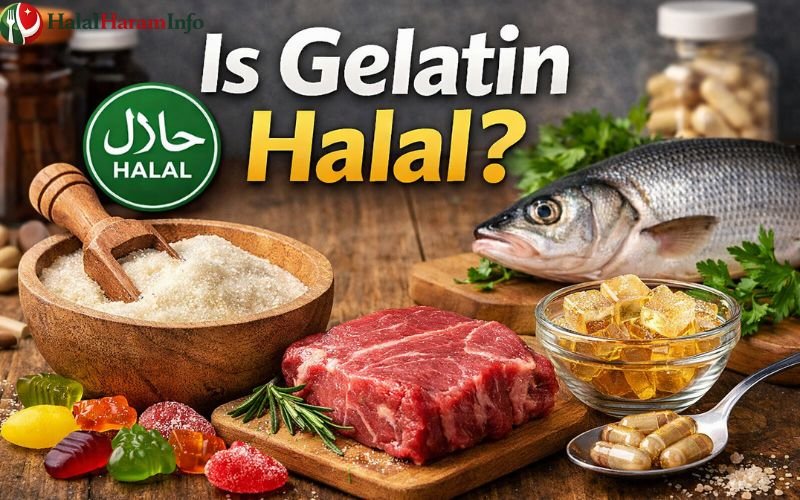
Gelatin is a common ingredient found in many everyday foods, medicines, and cosmetic products. From gummy candies to marshmallows, yogurt, and capsules, gelatin is widely used because of its ability to thicken, stabilize, and give products a smooth texture. However, for Muslims who follow halal dietary rules, the question often arises: Is gelatin halal?
The answer is not always simple. Gelatin can come from different sources, and its halal status depends on how it is produced and the ingredients used. Some gelatin is derived from halal animals, while other types may come from pork or animals not slaughtered according to Islamic guidelines. This makes it essential for Muslims to understand how gelatin is made and how to identify halal-certified options.
This article explains everything you need to know about gelatin, including its sources, halal rulings, alternatives, and how to check product labels. By the end, you will have a clear understanding of whether gelatin is halal and how to make informed choices
What Is Gelatin?
Gelatin is a colorless, flavorless protein obtained from collagen. Collagen is found in animal bones, skin, and connective tissues. During processing, collagen is extracted and turned into gelatin, which forms a gel-like texture when mixed with liquids.
Common Uses of Gelatin
- Gummy candies
- Marshmallows
- Jelly and desserts
- Yogurt and ice cream
- Capsules for medicines and supplements
- Some bakery products
- Processed meats
- Cosmetic products
Because gelatin is so versatile, it appears in many foods where consumers may not expect it.
Related Post: Are Jolly Ranchers Halal for Muslims?
Where Does Gelatin Come From?
Gelatin is typically derived from animals. The source of the animal determines whether the gelatin is halal or haram.
Main Sources of Gelatin
| Source | Halal Status | Notes |
| Pork (pig) | Haram | Always forbidden in Islam |
| Cow (not halal slaughtered) | Haram | Not permissible |
| Cow (halal slaughtered) | Halal | Acceptable if certified |
| Fish | Halal | Generally permissible |
| Chicken (halal slaughtered) | Halal | Acceptable |
| Plant-based alternatives | Halal | No animal source |
Pork gelatin is the most common in many commercial products because it is cheaper and easier to produce. This is why Muslims must check labels carefully.
Why Gelatin Is Controversial in Islam
Gelatin is controversial because it undergoes a transformation during processing. Some scholars debate whether this transformation changes the ruling of the original source.
Two Main Scholarly Opinions
| Opinion | Explanation |
| Gelatin remains haram | If derived from pork or non-halal animals, it stays forbidden |
| Transformation makes it permissible | Some scholars say chemical change makes it halal |
However, most Islamic authorities recommend avoiding gelatin from unclear sources and choosing halal-certified alternatives.
When Is Gelatin Halal?
Gelatin is considered halal in the following cases:
- It comes from halal-slaughtered animals (such as cows or chickens).
- It is derived from fish.
- It is plant-based or synthetic.
- It has halal certification from a trusted authority.
If the source is unknown, it is best to avoid the product.
When Is Gelatin Haram?
Gelatin is haram if:
- It is derived from pork.
- It comes from animals not slaughtered according to Islamic guidelines.
- The source is unclear and not halal certified.
Many candies, marshmallows, and desserts in Western markets use pork gelatin, making them unsuitable for Muslims.
Foods That Often Contain Gelatin
Gelatin can appear in many processed foods. Here are some common examples:
| Food Item | Contains Gelatin? |
| Gummy candies | Often yes |
| Marshmallows | Usually yes |
| Jelly desserts | Often yes |
| Yogurt | Sometimes |
| Ice cream | Sometimes |
| Cheesecake | Sometimes |
| Capsules (medicine) | Often |
| Frosted cereals | Sometimes |
Always check the ingredients list for “gelatin.”
Related Post: Is Chocolate Liquor Halal or Haram?
How to Identify Halal Gelatin
Here are practical tips to identify halal gelatin:
1. Look for Halal Certification
Products labeled halal are usually safe.
2. Check Ingredient List
Look for:
- Halal gelatin
- Fish gelatin
- Beef gelatin (halal certified)
Avoid:
- Gelatin (no source mentioned)
- Pork gelatin
3. Contact the Manufacturer
Many companies provide details about gelatin sources upon request.
4. Choose Vegetarian Alternatives
Plant-based options are always halal.
Halal Alternatives to Gelatin
Muslims can choose several halal substitutes for gelatin:
| Alternative | Source | Use |
| Agar-agar | Seaweed | Desserts, jelly |
| Carrageenan | Seaweed | Dairy products |
| Pectin | Fruits | Jams, candies |
| Guar gum | Plant | Thickener |
| Xanthan gum | Fermented sugar | Stabilizer |
These options are widely used in halal and vegetarian products.
Is Beef Gelatin Halal?
Beef gelatin is halal only if the cow was slaughtered according to Islamic guidelines. If the packaging does not specify halal certification, it may not be permissible.
Many products simply list “beef gelatin” without clarification, so verification is important.
Is Fish Gelatin Halal?
Fish gelatin is generally considered halal by most scholars. Since fish is permissible in Islam, gelatin derived from fish is usually acceptable.
This makes fish gelatin a popular halal alternative
Is Gelatin in Medicine Halal?
Gelatin capsules are commonly used in medicines and supplements. The ruling depends on the source:
- Halal gelatin → permissible
- Pork gelatin → not permissible (unless necessary for health and no alternative)
Islamic scholars allow non-halal medicine only in cases of necessity when no halal option is available.
Is Gelatin in Candy Halal?
Many candies contain gelatin, especially gummy sweets. These often use pork gelatin, making them haram unless labeled halal.
Halal candy brands usually use:
- Beef gelatin (halal)
- Fish gelatin
- Plant-based alternatives
Tips for Muslims Avoiding Non-Halal Gelatin
- Choose halal-certified products
- Avoid unclear ingredients
- Prefer vegetarian options
- Research brands
- Check online halal directories
- Ask manufacturers
These steps make it easier to avoid non-halal gelatin.
Gelatin Label Names to Watch For
Gelatin may appear under different names:
- Gelatin
- Hydrolyzed collagen
- Collagen peptides
- Gelatine (UK spelling)
These ingredients may indicate the presence of gelatin.
Is Vegan Gelatin Halal?
Yes, vegan gelatin alternatives are halal. They do not contain animal products and are safe for Muslim consumption.
Common vegan options include agar-agar and pectin.
Summary Table: Is Gelatin Halal?
| Type of Gelatin | Halal Status |
| Pork gelatin | Haram |
| Beef gelatin (halal slaughtered) | Halal |
| Beef gelatin (unknown source) | Avoid |
| Fish gelatin | Halal |
| Chicken gelatin (halal slaughtered) | Halal |
| Plant-based gelatin | Halal |
Frequently Asked Questions (FAQs)
Is gelatin always haram?
No, gelatin is not always haram. It depends on the source. Halal-slaughtered animals or fish gelatin is permissible.
Is gelatin in marshmallows halal?
Most marshmallows contain pork gelatin, so they are usually not halal unless labeled halal.
Can Muslims eat products with gelatin?
Only if the gelatin is halal-certified or from permissible sources.
Is gelatin in yogurt halal?
Some yogurts contain gelatin. Check labels for halal certification.
Is halal gelatin available?
Yes, many companies produce halal-certified gelatin products.
Is plant-based gelatin halal?
Yes, plant-based gelatin alternatives are halal.
Is gelatin powder halal?
It depends on the source. Always verify.
Is collagen the same as gelatin?
Gelatin is derived from collagen. The halal ruling depends on the original source.
Final Thoughts
Gelatin can be halal or haram depending on its source. If it comes from pork or non-halal animals, it is not permissible. However, gelatin derived from halal-slaughtered animals, fish, or plant-based alternatives is halal. Since many products do not specify the source, Muslims should look for halal certification or choose vegetarian alternatives.
By reading labels carefully and selecting halal-certified products, Muslims can confidently avoid non-halal gelatin and make informed dietary choices.
For More Halal and Haram Guides, Visit: HalalHaramInfo
