
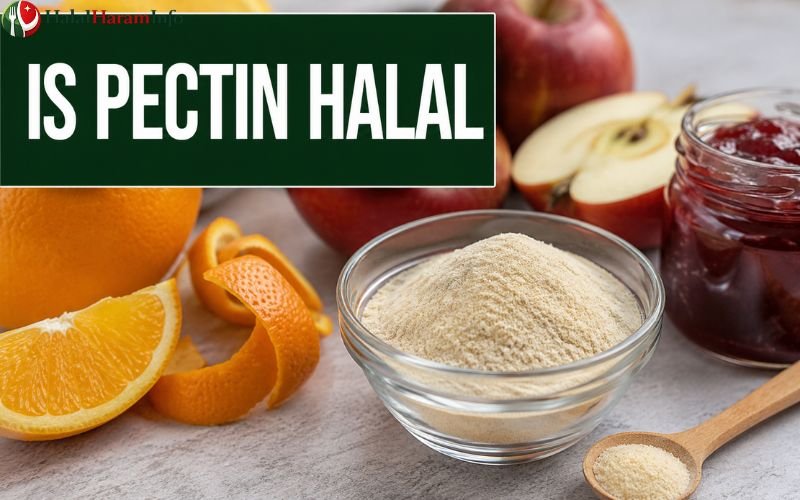
Pectin is a common ingredient found in jams, jellies, candies, yogurts, fruit juices, desserts, and many packaged foods. Because it is widely used as a gelling and thickening agent, many Muslims ask an important question: is pectin halal?
The short answer is yes, pectin is generally considered halal because it is usually derived from fruits such as apples and citrus peels. However, there are some situations where Muslims should still check the source and manufacturing process before consuming products containing pectin.
This guide explains what pectin is, how it is made, whether it is halal in Islam, different scholarly opinions, and how to identify halal-friendly pectin products.
What Is Pectin?
Pectin is a natural carbohydrate found in the cell walls of fruits and vegetables. It is commonly extracted from:
- Citrus peels
- Apples
- Sugar beet pulp
- Other fruits
Food manufacturers use pectin to:
- Thicken foods
- Stabilize products
- Create gel textures
- Improve shelf life
Pectin is especially popular in:
| Food Product | Purpose of Pectin |
| Jam and jelly | Creates gel texture |
| Yogurt | Improves consistency |
| Fruit juice | Stabilizes pulp |
| Candy | Adds chewiness |
| Desserts | Thickens mixtures |
| Ice cream | Prevents separation |
Because pectin comes mainly from plants, it is usually considered suitable for halal diets.
Is Pectin Halal?
Yes, pectin is generally halal because it is most commonly extracted from fruits and plant materials. Islamic dietary laws permit plant-based ingredients unless they contain harmful or haram additives.
In most cases:
- Citrus pectin is halal
- Apple pectin is halal
- Plant-derived pectin is halal
However, Muslims should still verify:
- The source of additives used during processing
- Whether alcohol was involved in production
- Cross-contamination risks
- Certification from reliable halal authorities
Why Some Muslims Question Pectin
Although pectin itself is usually halal, some concerns arise because of industrial food processing methods.
1. Alcohol Usage During Processing
Some manufacturers may use alcohol-based solvents during extraction or flavor preparation. While the final amount may be extremely low or removed completely, some Muslims prefer avoiding products processed with alcohol entirely.
2. Mixed Ingredients in Foods
Pectin is often used in foods that may contain other questionable ingredients such as:
- Gelatin
- Carmine
- Alcohol flavorings
- Non-halal emulsifiers
In these cases, the entire product should be evaluated, not just the pectin.
3. Unclear Ingredient Labels
Labels may simply state “pectin” without specifying whether it comes from fruit or another source. While pectin is overwhelmingly plant-based, cautious consumers may still seek confirmation.
Types of Pectin and Their Halal Status
Citrus Pectin
Citrus pectin comes from orange, lemon, and lime peels. This is one of the most common forms used in the food industry.
| Type | Halal Status |
| Citrus pectin | Halal |
Apple Pectin
Apple pectin is extracted from apple pomace, the leftover pulp after juice production.
| Type | Halal Status |
| Apple pectin | Halal |
Amidated Pectin
Amidated pectin is chemically modified for better gelling performance. Some Muslims question the processing chemicals used.
| Type | Halal Status |
| Amidated pectin | Usually halal if approved additives are used |
Islamic Perspective on Pectin
Islam permits foods that are pure, safe, and free from haram substances. Since pectin is naturally derived from fruits, scholars generally classify it as halal.
Quranic Principle
Allah says in the Quran:
“O mankind, eat from whatever is on earth [that is] lawful and good.”
This principle supports the permissibility of plant-based ingredients unless there is clear evidence of something haram.
Related Post: Is Lamb Halal or Haram? Guide for Muslim Consumers
Is Pectin Vegan and Halal?
Pectin is both vegan and usually halal because it is plant-derived.
| Feature | Pectin |
| Plant-based | Yes |
| Vegan | Yes |
| Vegetarian | Yes |
| Usually halal | Yes |
This makes pectin a popular alternative to gelatin in halal and vegetarian foods.
Pectin vs Gelatin
Many people confuse pectin with gelatin, but they are very different ingredients.
| Feature | Pectin | Gelatin |
| Source | Fruits | Animal collagen |
| Vegan | Yes | No |
| Halal concerns | Minimal | High |
| Common use | Jams, candies | Gummies, marshmallows |
| Usually halal | Yes | Depends on source |
Pectin is often preferred in halal products because it avoids animal-based ingredients.
Foods That Commonly Contain Pectin
Pectin appears in many packaged foods and beverages.
Common Foods With Pectin
- Fruit jams
- Jelly candies
- Yogurts
- Fruit snacks
- Ice cream
- Bakery fillings
- Juice drinks
- Chewy sweets
Checking ingredient labels can help identify whether products contain halal-certified ingredients overall.
Is Pectin in Candy Halal?
Pectin-based candy is often halal-friendly because it replaces gelatin. However, consumers should still check for other ingredients that may not be permissible.
Ingredients to Watch For
| Ingredient | Possible Concern |
| Gelatin | May come from pork |
| Carmine | Insect-derived coloring |
| Alcohol flavoring | Haram according to many scholars |
| Mono and diglycerides | Source may be unclear |
A candy using pectin can still be non-halal if other ingredients are questionable.
Halal Certification for Pectin Products
The easiest way to confirm halal status is through certification from trusted halal organizations.
Look for Halal Symbols From:
- IFANCA
- HFA
- JAKIM
- MUIS
- Halal Monitoring Committee
Halal-certified products usually undergo ingredient and manufacturing inspections.
Related Post: Is Parmesan Cheese Halal or Haram?
Is Commercial Pectin Halal?
Most commercial pectin powders sold for home cooking are halal because they are fruit-derived.
Popular pectin products often include:
| Product Type | Usually Halal? |
| Fruit pectin powder | Yes |
| Liquid pectin | Usually yes |
| Homemade jam pectin | Yes |
Still, reading labels remains important.
Is Pectin Used in Halal Gummies?
Yes, many halal gummy brands use pectin instead of gelatin. Pectin gummies are becoming more popular among:
- Muslims
- Vegetarians
- Vegans
These gummies usually have a softer texture compared to gelatin gummies.
How Is Pectin Made?
Understanding the production process helps explain why pectin is generally halal.
Basic Production Steps
- Fruit peels are collected
- Pectin is extracted with hot water or acid
- The liquid is filtered
- Pectin is dried into powder form
- It is packaged for food use
Since the raw material comes from fruits, halal concerns are relatively low compared to animal-derived ingredients.
Is Pectin Haram in Any Situation?
Pectin itself is rarely considered haram. However, some situations may raise concerns:
Possible Haram Concerns
- Haram additives mixed with pectin
- Alcohol-heavy processing methods
- Cross-contamination with non-halal products
In these situations, scholars may advise caution.
What Scholars Say About Pectin
Most Islamic scholars and halal certification bodies consider pectin halal because:
- It comes from plants
- It is not intoxicating
- It does not originate from haram animals
Unless there is evidence of prohibited additives or contamination, pectin is generally accepted as permissible.
Related Post: Are Mott’s Halal or Haram? Complete Guide for Muslim Consumers
Benefits of Pectin in Food
Besides its halal-friendly nature, pectin also offers functional and nutritional benefits.
Benefits Include
| Benefit | Explanation |
| Thickening | Improves texture |
| Stabilizing | Prevents separation |
| Fiber content | May support digestion |
| Plant-based | Suitable for vegans |
| Gel formation | Useful in desserts |
How to Identify Halal Pectin Products
When shopping for foods containing pectin, follow these steps:
Check the Ingredient Label
Look for:
- Halal certification
- Plant-based ingredients
- Absence of gelatin and alcohol
Research the Brand
Some companies clearly state whether their pectin is:
- Vegan
- Vegetarian
- Halal-certified
Contact the Manufacturer
If unsure, ask:
- What is the pectin source?
- Is alcohol used in processing?
- Is the facility halal-certified?
Are All Fruit-Based Additives Halal?
Not always. Although many fruit-derived ingredients are halal, some products may contain:
- Alcohol extracts
- Non-halal stabilizers
- Animal-derived additives
This is why reviewing the complete ingredient list matters.
Pectin in Medicines and Supplements
Pectin is also used in:
- Fiber supplements
- Digestive products
- Medicinal syrups
In most cases, the pectin itself is halal, but capsule ingredients and flavorings should also be checked.
Related Post: Is Shrimp Halal or Haram? A Guide for Muslims
Frequently Asked Questions
Is pectin always halal?
Pectin is usually halal because it is made from fruits. However, processing methods and additional ingredients should still be checked.
Is pectin better than gelatin for Muslims?
Yes, many Muslims prefer pectin because it is plant-based and avoids animal sourcing concerns associated with gelatin.
Can pectin contain pork?
Pectin itself does not come from pork. It is primarily extracted from fruits like apples and citrus peels.
Is pectin vegan?
Yes, pectin is vegan because it comes from plant sources.
Are pectin gummies halal?
Many pectin gummies are halal, especially if they avoid alcohol flavorings and non-halal additives.
Does pectin contain alcohol?
Pectin itself does not contain alcohol, but some processing methods or flavored products may involve alcohol-based ingredients.
Is homemade pectin halal?
Yes, homemade pectin made from fruits is halal.
Final Thoughts
Yes, pectin is generally halal. It is usually derived from fruits such as apples and citrus peels, making it a plant-based ingredient accepted by most Islamic scholars and halal certification organizations.
Pectin is also widely used as a halal-friendly alternative to gelatin in candies, jams, desserts, and gummies. However, Muslims should still review the complete ingredient list of processed foods because other additives may not always be halal.
For maximum confidence, choose products that:
- Use plant-based pectin
- Avoid questionable additives
- Carry reliable halal certification
In most cases, pectin itself is not a concern for Muslims following halal dietary guidelines.
