
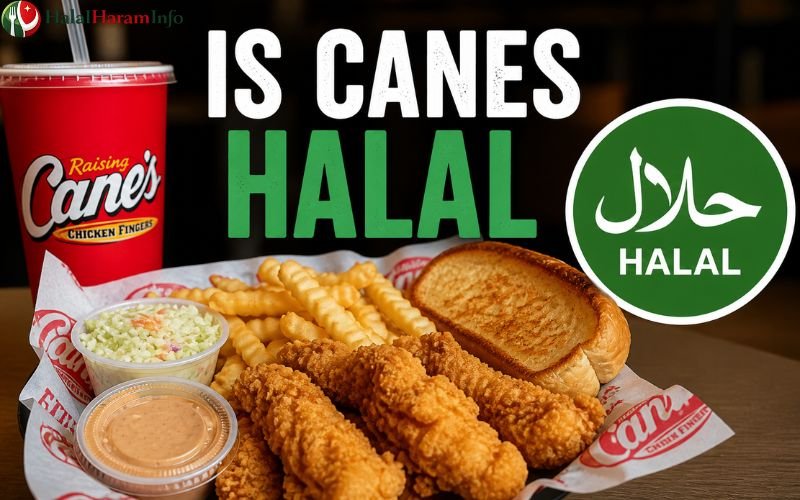
Many Muslims enjoy fast food restaurants and often ask whether their favorite meals are halal. One common question is: “Is Cane’s halal?” Raising Cane’s is well known for its chicken fingers, Texas toast, fries, and signature sauce, but its halal status depends on location, sourcing, and preparation methods.
This guide explains whether Raising Cane’s is halal, what ingredients Muslims should check, and how to make informed dining choices.
What Is Raising Cane’s?
Raising Cane’s Chicken Fingers is a popular American fast-food chain that specializes mainly in chicken finger meals. The restaurant was founded in Louisiana and has expanded to many countries.
The menu is simple and mainly includes:
- Chicken fingers
- French fries
- Texas toast
- Coleslaw
- Cane’s sauce
- Soft drinks
Because chicken is generally halal when prepared properly, many Muslims wonder if Raising Cane’s serves halal-certified chicken.
Quick Answer: Is Cane’s Halal?
The answer is: Most Raising Cane’s locations in the United States are not officially halal-certified.
However, the halal status may vary depending on the country and specific branch location.
Some international locations may use halal-certified chicken due to local market demand and regional regulations.
Quick Halal Status Table
| Item | Halal Status |
| Chicken Fingers (US locations) | Usually not halal-certified |
| Fries | Often considered halal ingredients-wise |
| Texas Toast | Generally halal ingredients, but cross-contamination possible |
| Cane’s Sauce | Usually halal ingredients, but verify locally |
| Soft Drinks | Generally halal |
| International Locations | Depends on country |
Why Raising Cane’s Is Usually Not Considered Halal
There are several reasons why most Muslims do not consider standard Raising Cane’s meals halal.
1. No Official Halal Certification
Most U.S. locations do not advertise halal certification from recognized halal organizations.
Without halal certification, Muslims cannot confirm:
- The chicken source
- Slaughter method
- Ingredient handling
- Cross-contamination controls
2. Chicken Slaughter Method Is Unclear
For meat to be halal, Islamic slaughter requirements must be followed.
This includes:
- Proper slaughter by a qualified person
- Mentioning the name of Allah
- Draining the blood properly
- Avoiding prohibited processing methods
Raising Cane’s does not generally state that all chicken is slaughtered according to Islamic standards.
3. Cross-Contamination Concerns
Even if some ingredients are technically halal, food may come into contact with non-halal items during:
- Frying
- Storage
- Preparation
- Handling
This can be a concern for strict halal observance.
Related Post: Is Kombucha Halal or Haram? A Guide for Muslim Consumers
Are Any Raising Cane’s Locations Halal?
Some international branches may offer halal chicken depending on local laws and Muslim population needs.
Countries with halal-certified or partially halal branches may include:
- Saudi Arabia
- UAE
- Kuwait
- Bahrain
- Other Muslim-majority regions
However, halal status can differ between branches, so customers should verify directly with the local restaurant.
Raising Cane’s in Muslim Countries
In several Muslim-majority countries, restaurants often follow halal requirements due to national food regulations.
This may include:
- Halal-certified chicken suppliers
- Halal slaughter practices
- Halal ingredient sourcing
Still, it is best to confirm through:
- Official restaurant websites
- Local halal certifications
- Restaurant management
Is Raising Cane’s Chicken Halal in the USA?
Most evidence suggests Raising Cane’s chicken in the United States is not officially halal-certified.
The company generally does not market its chicken as halal across U.S. branches.
Because of this, many Muslims avoid eating the chicken unless a local branch specifically confirms halal sourcing.
Ingredient Breakdown at Raising Cane’s
Here is a closer look at common menu items.
Chicken Fingers
| Concern | Details |
| Chicken source | Usually not halal-certified |
| Breading | Generally acceptable ingredients |
| Frying oil | Usually vegetable oil |
| Main issue | Slaughter method |
The main halal concern is the chicken itself rather than the seasoning.
French Fries
French fries are generally considered halal-friendly because they are made from:
- Potatoes
- Vegetable oil
- Salt
However, cross-contamination in shared fryers may still be possible.
Texas Toast
Texas toast ingredients are usually halal-friendly and may include:
- Bread
- Butter
- Garlic seasoning
Still, Muslims concerned about cross-contact should verify preparation methods.
Cane’s Sauce
Cane’s sauce ingredients typically include:
- Mayonnaise
- Ketchup
- Worcestershire sauce
- Spices
Some Muslims check sauces carefully because certain flavorings or additives may contain questionable ingredients.
Drinks
Soft drinks and fountain beverages are generally halal unless they contain alcohol-based flavorings.
Does Raising Cane’s Use Pork Ingredients?
Raising Cane’s menu is mostly chicken-based, and pork is not a major ingredient in standard meals.
However, Muslims should still review:
- Sauce ingredients
- Flavorings
- Regional menu items
Ingredient formulas can change over time.
Is Raising Cane’s Sauce Halal?
Cane’s sauce is often considered halal by ingredient analysis, but not officially halal-certified in many locations.
Potential concerns include:
- Worcestershire sauce ingredients
- Flavor extracts
- Cross-contamination
Many Muslims consider the sauce acceptable if no alcohol or animal-derived additives are present.
Related Post: Are Pop-Tarts Halal or Haram?
Understanding Halal Chicken Requirements
For chicken to be halal, Islamic guidelines usually require:
Proper Slaughter
The chicken must be slaughtered according to Islamic rules.
Allah’s Name Mentioned
The slaughterer should mention the name of Allah during slaughter.
Blood Drained
Blood must be drained properly from the animal.
Healthy Animal
The chicken should be healthy at the time of slaughter.
Without confirmation of these standards, many Muslims avoid uncertified chicken products.
Why Halal Certification Matters
Halal certification helps Muslims identify food that meets Islamic dietary laws.
Certified halal restaurants are usually inspected for:
- Meat sourcing
- Ingredient verification
- Preparation methods
- Cross-contamination prevention
Without certification, customers often rely on company statements or local information.
How to Check If Your Local Cane’s Is Halal
Because halal status varies by location, here are some steps Muslims can take.
1. Ask the Restaurant Directly
Speak with staff or management about:
- Chicken sourcing
- Halal certification
- Ingredient information
2. Check the Official Website
Some regional websites may mention halal certification.
3. Look for Halal Certificates
Certified locations often display halal certificates inside the restaurant.
4. Search Local Muslim Reviews
Local Muslim communities often share halal restaurant information online.
Countries Where Raising Cane’s May Offer Halal Food
| Country | Possible Halal Status |
| Saudi Arabia | Usually halal |
| UAE | Often halal |
| Kuwait | Usually halal |
| Bahrain | Often halal |
| USA | Usually not halal-certified |
| Canada | Varies by location |
Always verify with the specific branch before ordering.
Is Cane’s Halal According to Islamic Scholars?
Scholarly opinions differ when halal certification is absent.
Strict View
Many scholars recommend avoiding meat unless halal slaughter is confirmed.
Lenient View
Some scholars may permit meat from certain suppliers if no haram ingredients are known.
Most scholars agree that certified halal meat is the safest choice for Muslims.
Alternatives to Raising Cane’s for Halal Fast Food
If halal certification is important, Muslims may prefer:
- Local halal chicken restaurants
- Certified halal burger chains
- Muslim-owned fast-food businesses
Many cities now offer halal-certified fried chicken options.
Tips for Muslims Eating at Fast Food Restaurants
Check Certifications
Look for recognized halal logos.
Ask Questions
Restaurant staff may provide sourcing details.
Review Ingredients
Pay attention to sauces, oils, and additives.
Avoid Assumptions
Chicken-based meals are not automatically halal.
Use Halal Restaurant Apps
Several apps help Muslims locate halal-certified restaurants nearby.
Related Post: Is Shake Shack Halal or Haram?
Common Misunderstandings About Raising Cane’s Halal Status
“All chicken restaurants are halal.”
This is incorrect. Halal depends on slaughter and preparation methods.
“Fries are always halal.”
Fries may be cooked in shared fryers, causing cross-contamination concerns.
“International halal status applies everywhere.”
A halal-certified branch in one country does not mean all branches worldwide are halal.
“No pork means halal.”
A restaurant can avoid pork but still not meet halal slaughter standards.
Comparison Table: Raising Cane’s vs Halal Requirements
| Requirement | Raising Cane’s (Typical US Locations) | Halal Standard |
| Halal-certified chicken | Usually no | Required |
| Islamic slaughter | Not confirmed | Required |
| Pork-free menu | Mostly yes | Preferred |
| Alcohol-free ingredients | Mostly yes | Required |
| Halal certification | Rare in US | Important |
Frequently Asked Questions
Is Raising Cane’s halal in the USA?
Most U.S. locations are not officially halal-certified.
Is Cane’s chicken halal?
In most American branches, the chicken is not confirmed halal.
Are Raising Cane’s fries halal?
The ingredients are generally halal-friendly, but cross-contamination may occur.
Is Cane’s sauce halal?
The sauce is usually considered halal-friendly by ingredients, but certification is uncommon.
Does Raising Cane’s serve pork?
The menu is primarily chicken-focused and does not heavily feature pork items.
Are international Raising Cane’s locations halal?
Some locations in Muslim-majority countries may use halal-certified chicken.
Can Muslims eat at Raising Cane’s?
This depends on personal religious comfort level and whether the local branch is halal-certified.
How can I confirm a Cane’s location is halal?
Ask the restaurant directly and look for halal certification.
Final Thoughts
Raising Cane’s is popular for its chicken finger meals, but most locations in the United States are not officially halal-certified. The main concern for Muslims is whether the chicken is slaughtered according to Islamic guidelines.
Some international branches in Muslim-majority countries may serve halal-certified food, but halal status varies by location. Muslims should always verify directly with the specific restaurant before ordering.
If halal certification is important to you, choosing verified halal restaurants is the safest and most reliable option.
